
Exact AI for
aerospace.
PiLogic runs exact probabilistic inference over a first-principles model of your system on a single CPU core.
PiLogic runs exact probabilistic inference over a first-principles model of your system on a single CPU core.


Many real-world problems have complexity >50. Conventional probabilistic inference breaks. PiLogic doesn’t.
PiLogic computes the answer from a first-principles model of your system — every result an exact probability, its confidence quantified, so it cannot hallucinate. In an independent study of 18 inference methods, it solved significantly more problems than any competing method. It “performs significantly better than others, and it should be preferred for exact inference.”
Benchmark: Agrawal, Pote & Meel, “Partition Function Estimation: A Quantitative Study” (2021). Probabilities shown are simulated product output.
PiLogic is designed to deliver at operator speed without sacrificing accuracy. Manifest answers in milliseconds on a single CPU core, with NASA-funded research behind it. Resolve is measured against the Kalman filter, tracking’s sixty-year standard: producing superior post-mission tracking while working towards real-time analysis.
NASA-funded research on the ADAPT testbed demonstrated sub-millisecond diagnosis on 400-node models (Mengshoel et al., IAAI-08).
PiLogic runs on a single CPU core — no GPUs, no training data, no cloud dependency.

Standard software — Python and C APIs, Docker, on any server.

Inside your ground segment. No external dependency.
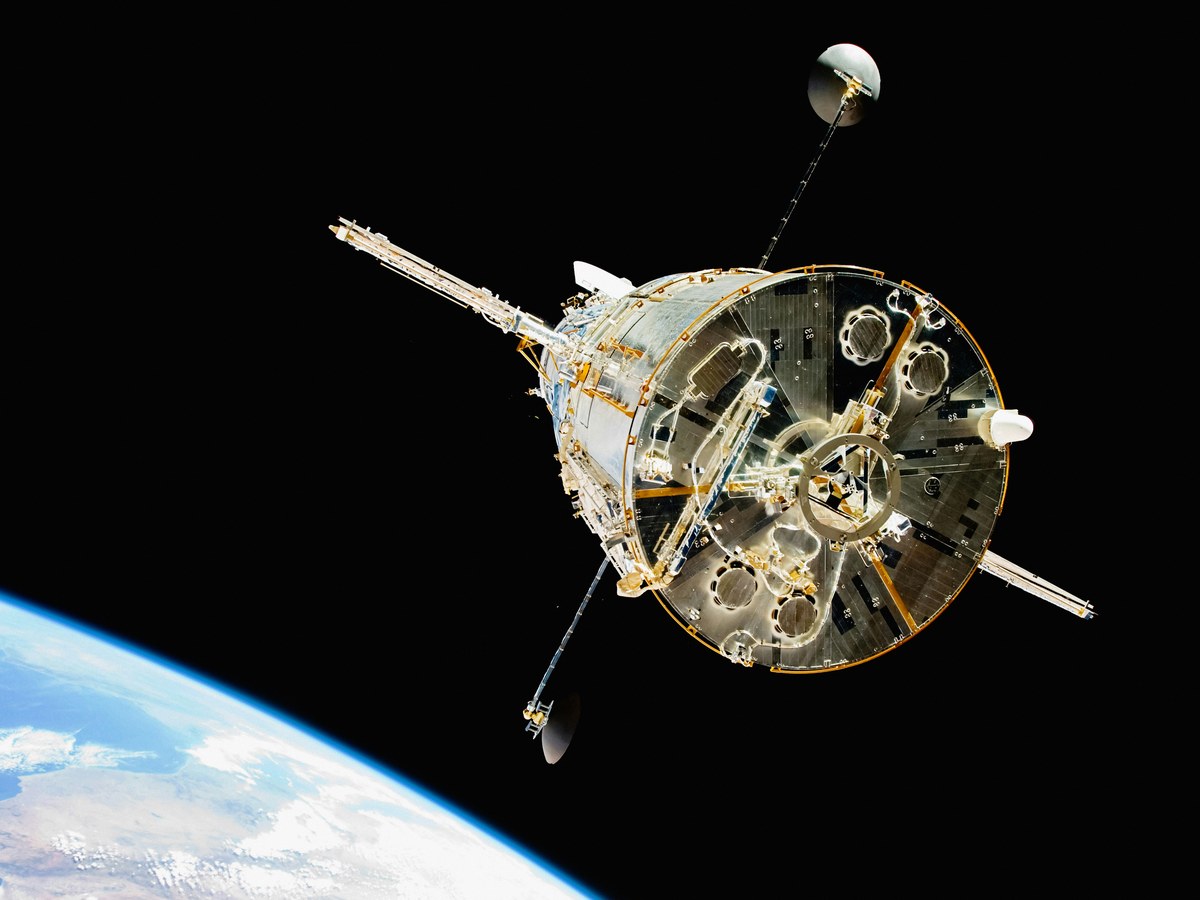
Light enough for flight hardware — no GPUs, no ground link.

And deployable anywhere. In the cloud, on-prem, or onboard: standard software on a single CPU core.
Autonomous diagnostics for spacecraft systems.
Exact probabilistic tracking for radar systems.
The engine stays the same; each new model teaches it a new domain. Next in line: